Is My Pain Trauma? How Therapists Differentiate Stress and Trauma
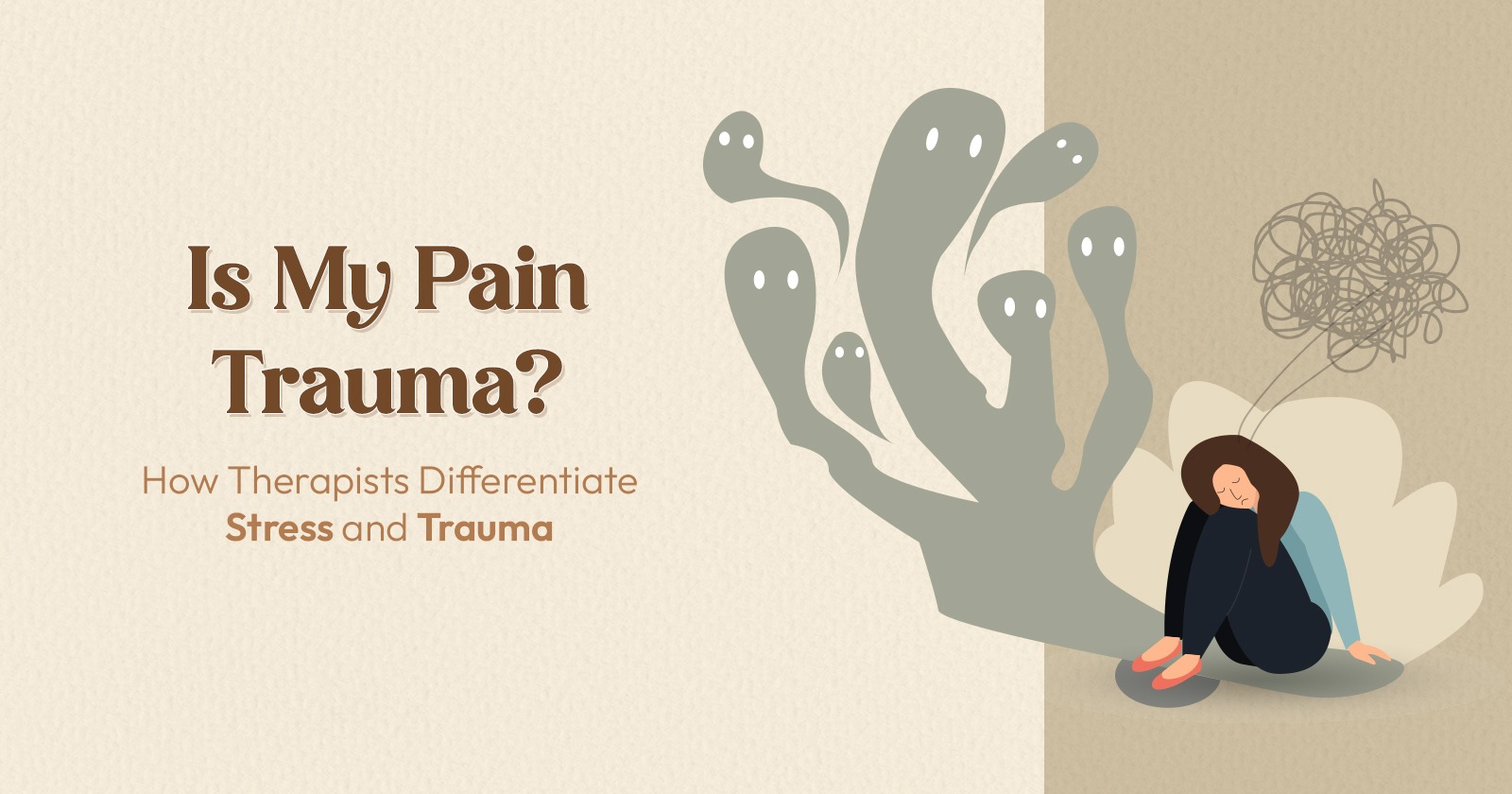
A few months ago, a lady in her late forties walked into my chambers. After a courteous ‘Hi’, she straight away said how she feels she shouldn’t be there. She said, “I don’t understand why my family physician couldn’t prescribe me another antibiotic dose and send me to you instead!”
I asked why she thinks so. So, she said she had been on antibiotics every now and then for stomach pain that calms down with doses but resurfaces. The pain had put her life on hold. I then asked her questions about her family, her career, and her life in general.
Today, she’s pain-free and thankful for the family physician for not putting her on another round of tablets. As it turned out, the pain she felt was just a physical manifestation of her unaddressed trauma. Once the core emotional issue behind her pain was addressed, she began healing.
In our lives, we often encounter stress in different formats. As kids, unknowingly, we are affected by the words, actions, and responses of our parents, siblings, family, friends, teachers, and other people around us. We grow up to juggle office deadlines, family duties, societal gatherings, and much more. All this while, amidst the chaos and what seems like normal life stresses, the line between physical and emotional pain often blurs.
Is that knot in your stomach just stress from traffic? Family gatherings leave you sweating because of work or words? It is tough to tell as an ordinary human. And that is where professional therapists guide you.
Therapists, do not only just listen to your story. In fact, they decode your body’s signals and emotional patterns. Therapists identify and differentiate stress, suffering, and trauma by impact depth. This helps determine the course of therapy. It also helps therapists to equip you with proper methods and tools so that you can spot when pain crosses into trauma territory. And also, how to deal with it to lead a happy, healthy life.
Differentiating the two: Stress vs Trauma
Stress or trauma, they both start with your nervous system’s response. Stress is everyday pressure, like rushing for a train, or prepping for a boss review. Stress revs you up, temporarily putting your system in fight or flight mode. And once the moment passes, you reset.
Trauma often stems from a single life?threatening event or from the accumulation of many small ‘t’ traumas experienced over the years. Life?threatening events can be an accident, any type of betrayal, or anything else. Apart from dramatic events, regular stress can also become trauma over the years, like being bullied.
In trauma, the body is always on guard. One's body might be nervous at sounds or numb during conversations.
Therefore, the key differentiation between stress vs trauma is. Does it fade with reset, or does it hijack your sense of safety?
Trauma is more like an emotional fracture. It hijacks your sense of safety and keeps your nervous system on guard always. Trauma rewires your ability to feel secure.
Understanding the Overlap
In real life, emotional experiences do not fit neatly into categories. This happens because there is a chance that long-term stress can gradually overwhelm the nervous system. Or, there is a chance that unresolved trauma may present as ongoing emotional suffering.
So, trauma therapists carefully explore individuals' personal history and emotional responses. So, they can identify their emotional pain level and guide the individuals in their emotional journey, and help them with their trauma therapy.
How Therapists Read Stress and Trauma?
Therapists focus on the past and pay close attention to your mind and body. Let’s understand this with an example:
There is a chance that two different people have gone through similar events. And, one of them has recovered with time. Whereas the other one is struggling. To understand, they ask questions like:
1. How the Experience Felt at the Time
Therapists explore how threatening the experience felt. If the event does not appear to be extreme, then they try to understand how hurt you are because of that incident. What mattered to you the most, and most importantly, was whether you felt safe, supported, and able to cope in that moment. Additionally, they also notice signs such as:
-
If there is a sense of fear or helplessness during the experience
-
Any ongoing alertness even after the situation has passed.
2. How the Nervous System Responds
Therapists read your stress or trauma via your nervous system. They check how you will react after an emotional activity or a discussion. Because when a person is facing emotional pain, their nervous system gets altered.
After reading your nervous system behaviour, they figure out the level of emotional pain you are going through with their knowledge and expertise.
Therapists often observe the following things when identifying your emotional pain level:
-
Your emotional response when having a conversation about your emotional pain.
-
Are you emotionally numb when you open up and discuss the incidents that happened to you in the past?
-
Is your body facing any difficulty in calming down and getting back to a normal state?
3. How Does it Affect Trust and Self-Image
Stress and trauma affect your body. But are they affecting your self-confidence?
Therapists check if, because of emotional pain, your confidence has dropped, or if you are not motivated or happy in your life.
Time plays a vital role in understanding emotional pain. Because stress usually fades within a few days when conditions improve. Also, the emotional distress lasts longer and often eases with understanding and support.
However, trauma tends to stay for a more extended period of time, and it may interfere with one’s sleep, relationships, and concentration. For us, it is tough to identify whether our issues are due to stress, trauma, or suffering.
Just like the woman who walked into my chambers unsure of why she was there, many of us carry pain that seems physical but is deeply emotional. Her journey reminds us that healing is possible when we address the root cause, not just the symptoms. Stress and trauma may blur together. Yet they can be understood, managed, and healed with the right guidance. Therapists help you recognize the difference, equip you with tools, and walk beside you as you rebuild trust in yourself. If you’re unsure where your pain belongs, take the first step—because clarity is the beginning of healing. So, if in doubt, reach out!
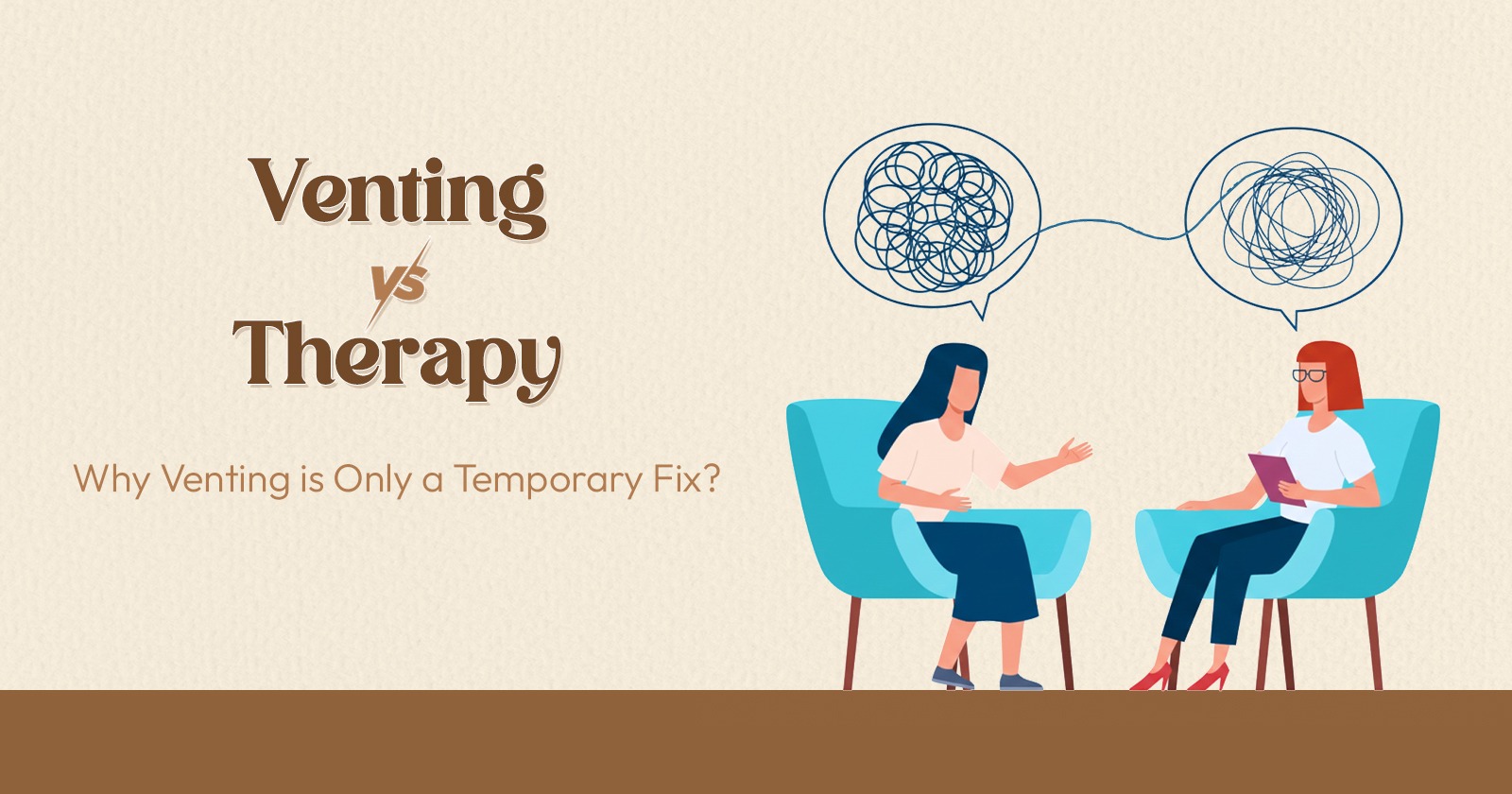
Read More: https://www.drshilpagupta.com/blogs/venting-vs-therapy-why-venting-is-only-a-temporary-fix
Post a comment